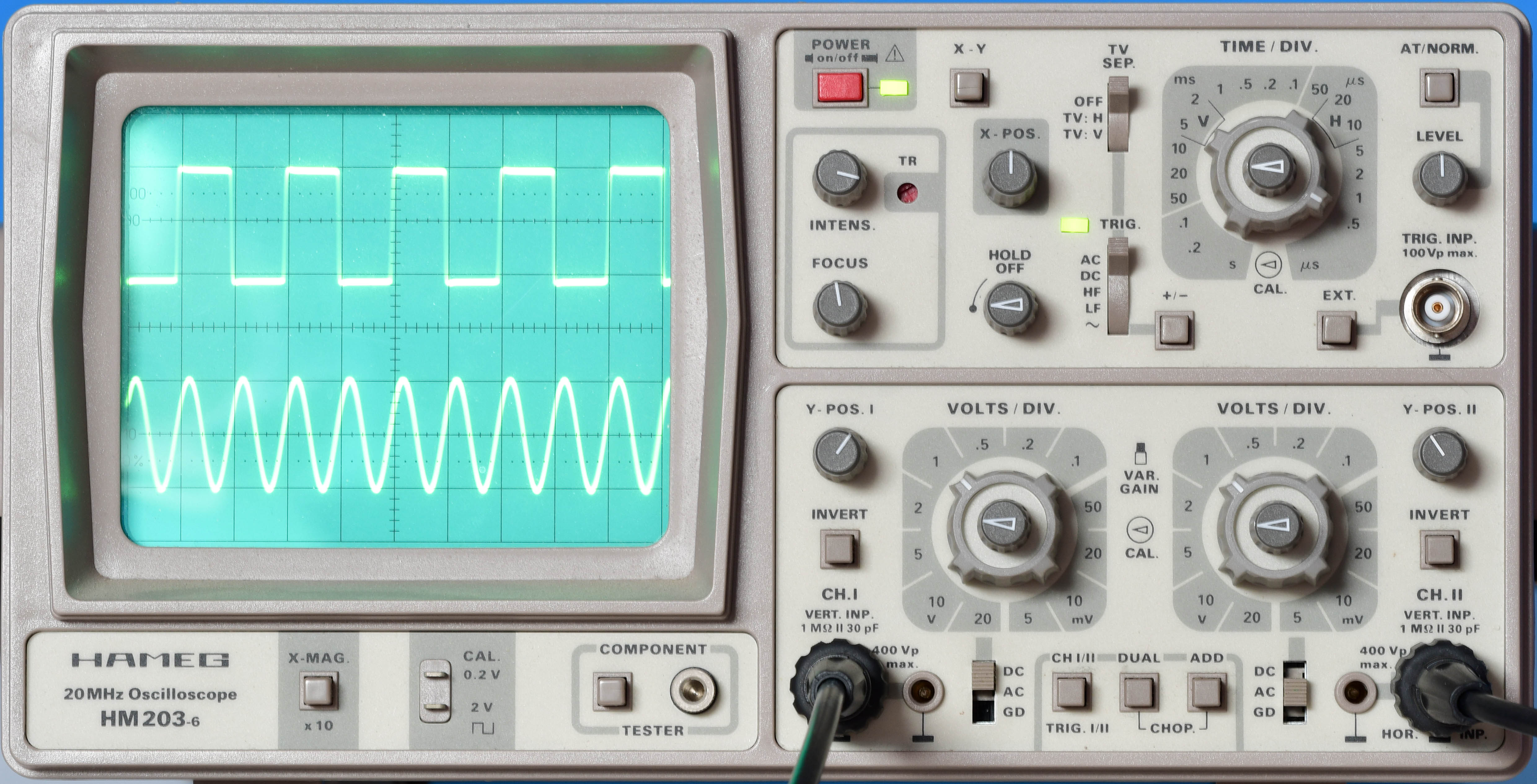
It is called alternating current to the electric current in which the magnitude and the sense vary cyclically.
Example: The inverter changes the solar direct current into the alternating current used by most household appliances
en: Corriente alterna
Amplitude
Noun
The maximum extent of a vibration or oscillation, measured from the position of equilibrium.
Example: Sound waves are measured by their amplitude.
en: Amplitud
Analog frequency
Adjective
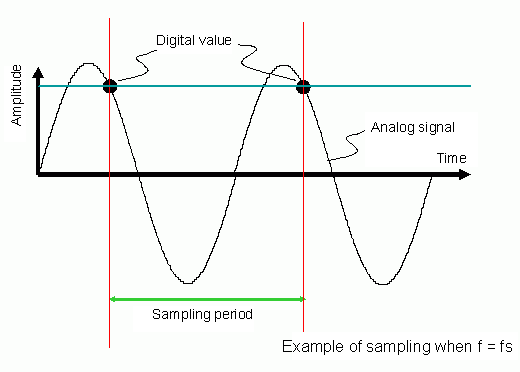
Any information may be conveyed by an analog signal; such a signal may be a measured response to changes in a physical variable, such as sound, light, temperature, position, or pressure.
Example: Used to introduce the analog signal from the conversion to digital models.
en: Frecuencia analógica
Brightness
Verb
the quality or state of giving out or reflecting light.
Example: The brightness of every room made his sensitive eyes squint.
en: Brillo
Continuous-Time Signals
Noun
Is a function, s(t), that is defined for all time t contained in some interval on the real line. For historical reasons, CT signals are often called analog signals.
Example: Still, there exists no straightforward method to adjust it, and one should usually have a look at the continuous-time signal and the frequency spectrum to find proper values.
en: Señales de tiempo continuo
Digital signal
noun
In digital communications, a digital signal is a continuous-time physical signal, alternating between a discrete number of waveforms, representing a bitstream.
Example: The satellite systems are based on digital signals, the language of computers.
en: Señal digital
Discrete-Time Signals
Noun
Is a time series consisting of a sequence of quantities. Unlike a continuous-time signal, a discrete-time signal is not a function of a continuous argument; however, it may have been obtained by sampling from a continuous-time signal.
Example: All chronometers and watches should be checked regularly with a discrete-time signal.
en: Señales de tiempo discreto
Measure
Verb
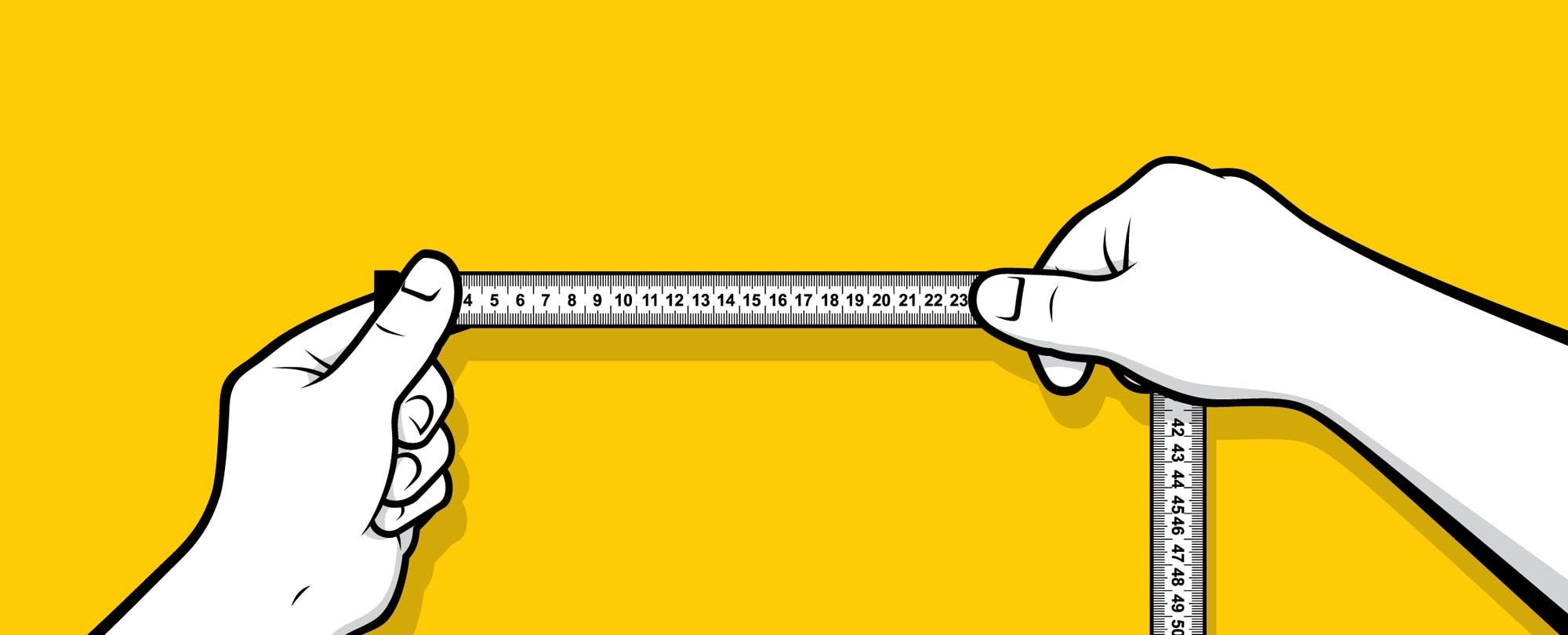
Ascertain the size, amount, or degree of (something) by using an instrument or device marked in standard units or by comparing it with an object of known size.
Example: It took too much effort to look up at the sun to measure time.
en: Medida
Patterns
Verb
A model or design used as a guide in needlework and other crafts.
Example: She stared at a flower pattern on the wall.
en: Patrones
Phenomena
Noun
A fact or situation that is observed to exist or happen, especially one whose cause or explanation is in question.
Example: Weather and fog are natural phenomena that can be both measured and understood through science.
en: Fenómenos
Pressure
Verb
Continuous physical force exerted on or against an object by something in contact with it.
Example: He put pressure on his injured leg with a grimace but gestured towards the unconscious soldier hanging between two others.
en: Presión
Signal energy
Noun
Refers to any signal ( )tx , including signals that take on complex values.
Example: The terms signal energy and signal power are used to characterize a signal.
en: Energía de señal
Signals
Noun
It refers to any time varying voltage, current, or electromagnetic wave that carries information. A signal may also can be defined as an observable change in a quality such as quantity..
Example: The radio is giving out a strange signal.
en: Señales
Systems
Noun
Is a group of interacting or interrelated elements that act according to a set of rules to form a unified whole.
Example: Pluto is the farthest planet in the solar system.
en: Sistema
Unit step
Adjective
It is a discontinuous function whose value is 0 for any negative argument, and 1 for any positive argument.
Example: Typically, the potential is modelled as a Heaviside step function.